Loading level...
About Me
Technical leader with 14+ years shipping games and platforms. Builder of teams and systems.
What Drives Me
I got into software because I wanted to make games. Still true. But somewhere along the way, the interesting problems moved. Not the graphics or the gameplay, but the systems underneath. How do you build multiplayer that doesn't fall apart? How do you set up a team so they can actually ship?
That's what I've been doing for 15 years. Build something hard. Make sure the team understands it. Help them own it. Get out of the way.
The Journey
Started at SkyVu leading the Battle Bears team through 6 shipped games. I built SkyVuNetwork the backend that handled multiplayer, economies, clans, all the stuff that kept people coming back. Learned the hard way that networking is where games get really interesting (and where they break).
At Age of Learning, I built a framework that other teams could actually use. Not just fast, but clear. If you didn't design it, you should still understand it and own it. Watched engineers I'd worked with grow into leads. That part mattered more than shipping anything.
Jam City was about removing stupid bottlenecks. Game designers shouldn't need an engineer to tweak a level. So I built an editor tool that got out of the way. Let designers do what they're good at. The best platform work is work nobody notices because it just works.
At TallyUp, I built everything. Five games, tournaments, mobile and web. Started from scratch with four engineers. Bad decision early on? You feel it forever. Good decision? Saves you months. No safety net.
Now at Centerfield, I'm working on event processing at massive scale and figuring out how to actually use LLMs in production (turns out "use LLMs in production" is harder than "fine-tune a model"). Event pipelines handling millions of events a day. Observability so complex systems don't just become black boxes.
Where I Am Now
I want to build systems that actually work. Not just survive, but work well for the people using them. Games taught me that responsiveness matters. Distributed systems taught me that reliability at scale is hard. Both matter.
Everything else is just being useful. See the next problem before it becomes a disaster. Help the team own it. That's the job.
The Work
SkyVu Entertainment
2011 – 2015Lead Engineer
Led engineering across 2+ teams with 5+ people developing the entire Battle Bears series. Owned the architecture of SkyVuNetwork a full BaaS platform powering multiplayer, economy, clans, and missions across 6 game titles.
PerBlue
2015 – 2015Senior Engineer
Worked with a core team of developers on the flagship title Dragon Soul, which sold for $35 million. Key contributor on the distributed Java server environment leveraging LibGDX.
SystemwarePS
2015 – 2017Consultant Software Architect
Led architecture discussions and client engagement for 3+ multi-billion dollar retail companies (including GameStop), financial institutions, and government contractors. Defined system design standards and multi-tenant deployment patterns.
Age of Learning
2017 – 2019Software Architect
Technical lead for 3 teams spanning 4 projects with 15+ team members. Defined an ECS-inspired modular framework adopted across all product lines. Influenced company-wide transitions for standards and mentored engineers on new frameworks.
Jam City
2019 – 2020Senior Engineer
Led technical discussions and hosted hackathons to promote growth and collaboration across the multi-team studio. Designed the Unity Editor tooling for Disney Emoji Blitz and Frozen Adventures removing engineering bottlenecks from level design.
TallyUp
2020 – PresentFounding Engineer & Tech Director
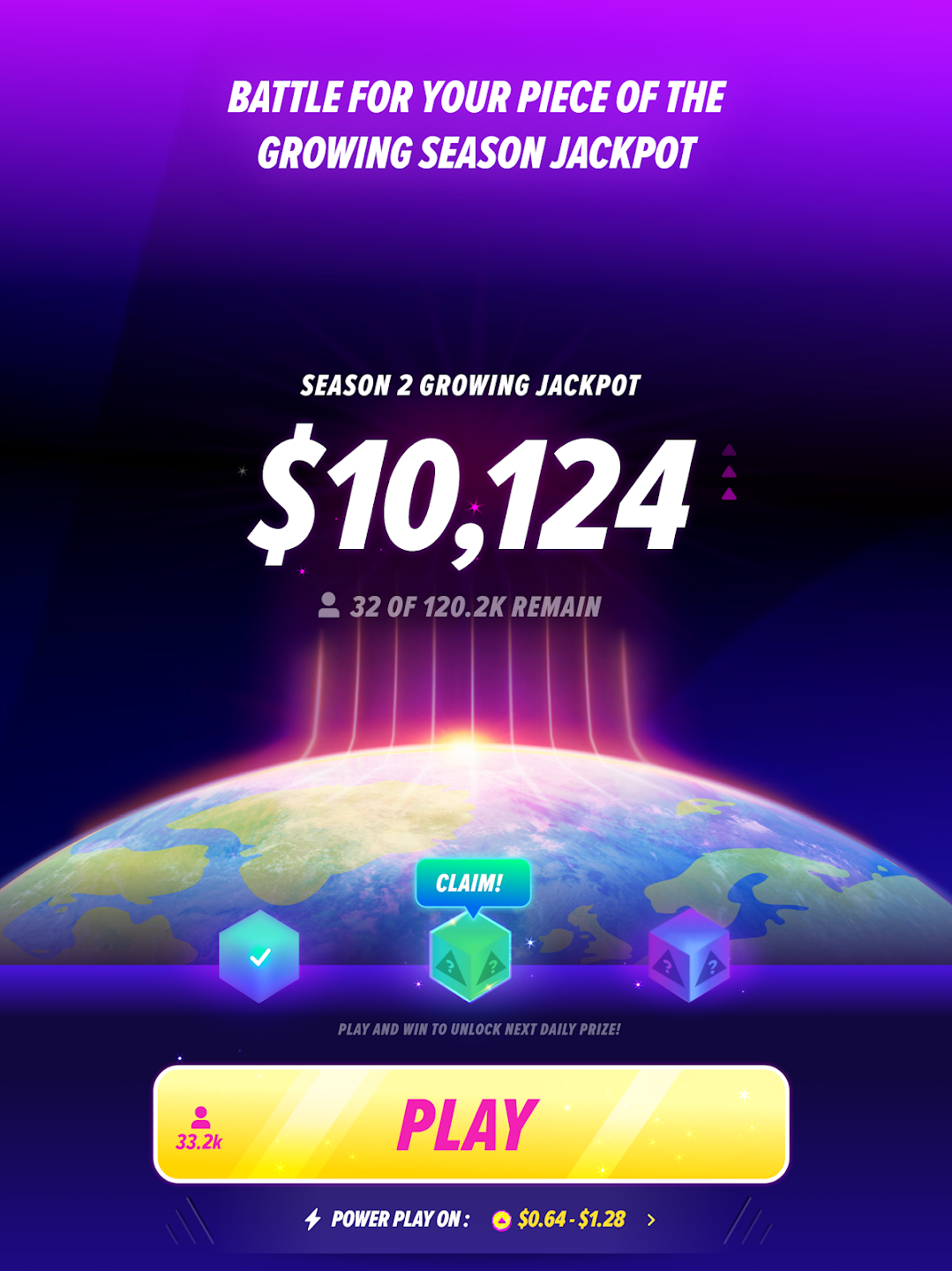
Founding engineer and technical director leading a team of 4 full-stack engineers. Established all technical architecture and direction for a multi-title competitive gaming platform 5 games, server-authoritative multiplayer, and a Vue admin portal.
Centerfield
2025 – PresentPlatform Engineer
Leading multiple initiatives in AI development tooling and LLM integration into production data flow. Driving platform engineering strategy: high-throughput event pipelines (2–5M events/day), observability systems, and AI-powered features on AWS.
Career Highlights
Built TallyUp from zero. With a team.
Founded the technical direction and hired 4 full-stack engineers. Five games, mobile and web, 30–40 concurrent tournaments with 2,500 players each. Every decision was mine. Every mistake was mine. We shipped anyway. Learned that the job is getting out of the way and letting people do what they're good at.
Framework that people actually used.
Designed a modular framework for 15+ engineers across multiple teams. Most frameworks are written for the designer. This one was written for everyone else. Then I had to teach them why it mattered and how to trust it. Building it was the easy part.
Scaling event processing. And AI. And sanity.
At Centerfield, I own event pipelines processing millions of events a day and the observability that keeps them from becoming black boxes. Also figuring out how to actually use LLMs in production (short answer: it's weird and hard). The work doesn't matter if your team doesn't understand what's happening.
Removed a bottleneck. Nobody noticed.
Built a Unity Editor tool that let designers create match-3 levels without calling engineering. No waiting. No back-and-forth. Designers just did their job. Good platform work disappears.